Myadel Regional
Executive Committee

28 May 2026
In Nesvizh, Belstat announced the GDP of the Union State: nearly 7 trillion Belarusian rubles in PPP terms
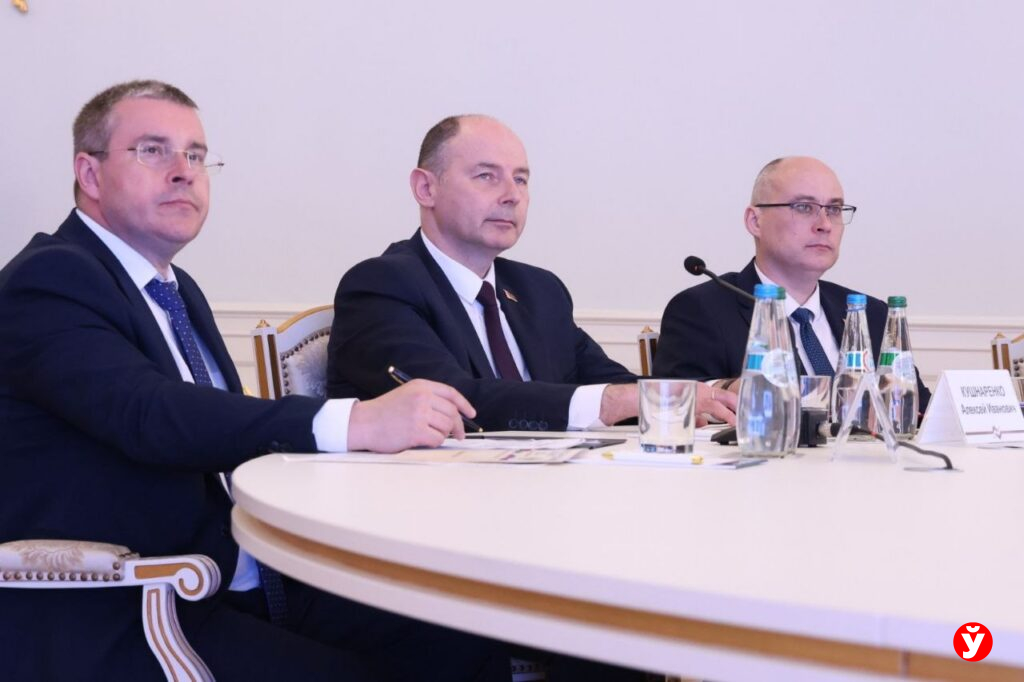
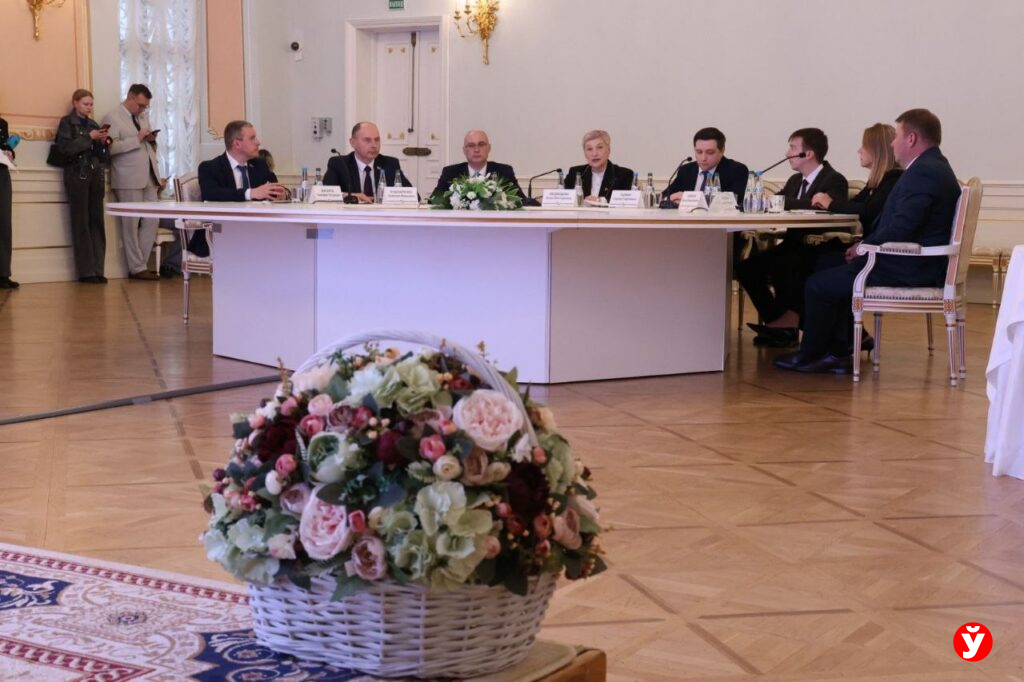
The 22nd open meeting of the Statistical Council of Belstat and Rosstat is taking place at the Radziwiłł Castle in Nesvizh. Key topics include the modernisation of official statistics, integration of data from alternative sources into statistical production using mobile positioning as an example, regional cooperation, and preparations for the 2030 round of population and agricultural censuses. Participants include Alexei Kushnarenko, Governor of the Minsk Region.
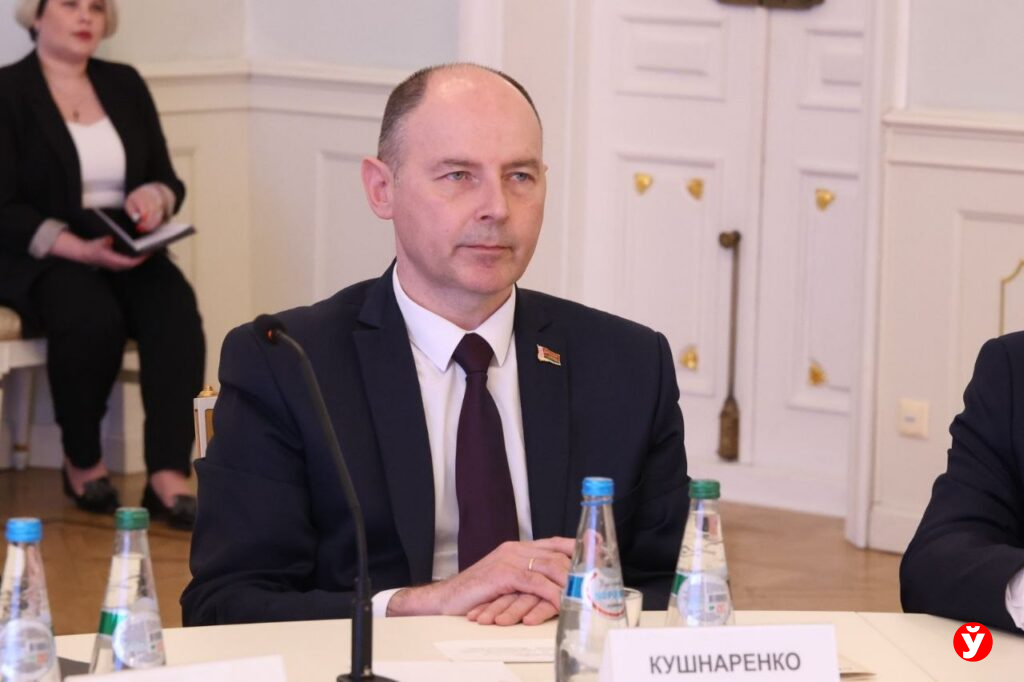
Welcoming the guests, the head of the central region stressed that Belarus and Russia are connected by centuries-old ties of friendship, shared historical destinies, and strong political, economic, and cultural relations.
— Today, we are building a common Union space together. As President of the Republic of Belarus Alexander Grigoryevich Lukashenko noted, “our relations are even closer than if we lived in one state.” Such an unprecedented level of interaction opens broad prospects for us, but at the same time imposes special responsibility, — said Alexei Kushnarenko.
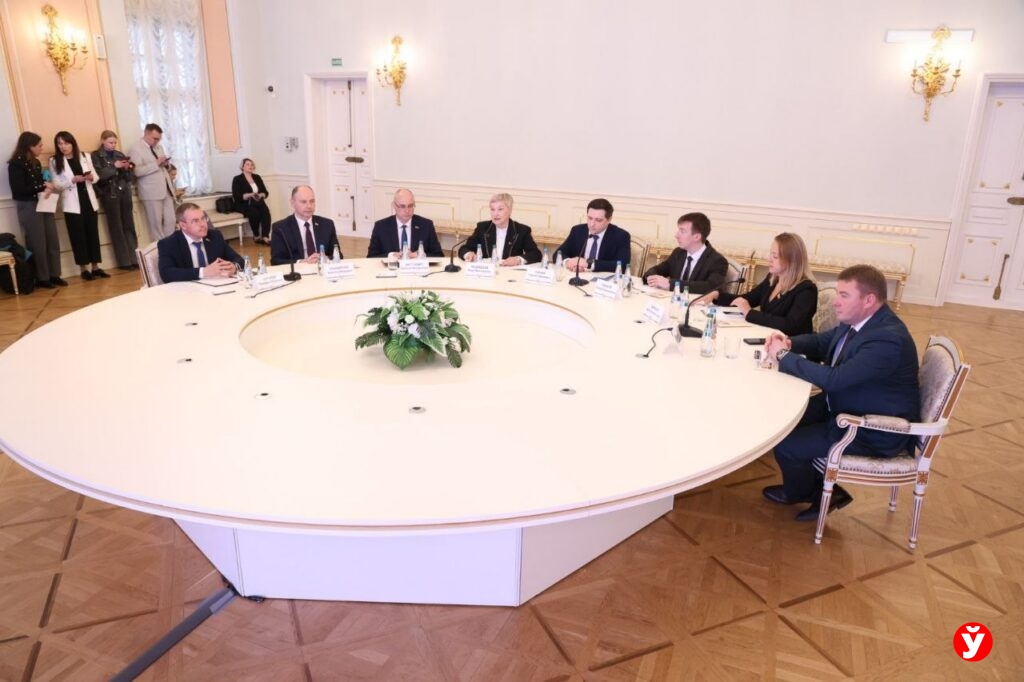
The governor called the Forum of Regions a vivid example of the effectiveness of such cooperation in the economic sphere.
— In just one month, the Minsk Region will become the thirteenth host venue for the forum, which will bring together guests from various parts of our friendly countries. The forum programme includes thematic sections, business visits to leading enterprises and organisations of the Minsk Region, as well as a trade fair and exhibition and a rich cultural programme. One of the sections will also be hosted by Nesvizh Castle. It will discuss shared cultural and historical heritage and opportunities for developing tourism potential, — stressed the Chairman of the Minsk Regional Executive Committee.
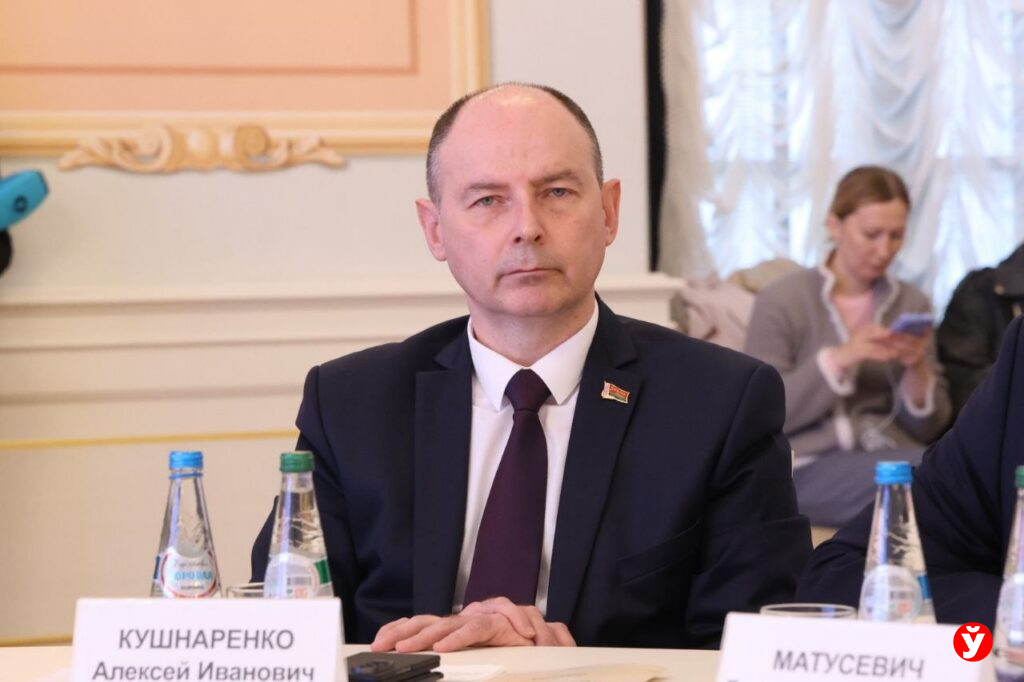
Summing up, the head of the Minsk Region emphasised that state statistics are one of the key elements of the management system, an objective indicator of the country’s economic condition and the standard of living of its citizens. The results of your work serve as a reliable information basis for identifying problems and making balanced, effective decisions.
Common principles for building statistical systems
On May 28, the first day of the Council’s work, participants reviewed the implementation of the Joint Action Plan of Belstat and Rosstat to ensure comparability in statistical methodology for 2024–2026.
As Chairperson of Belstat Inna Medvedeva stressed, 75% of the Plan’s measures have been completed.
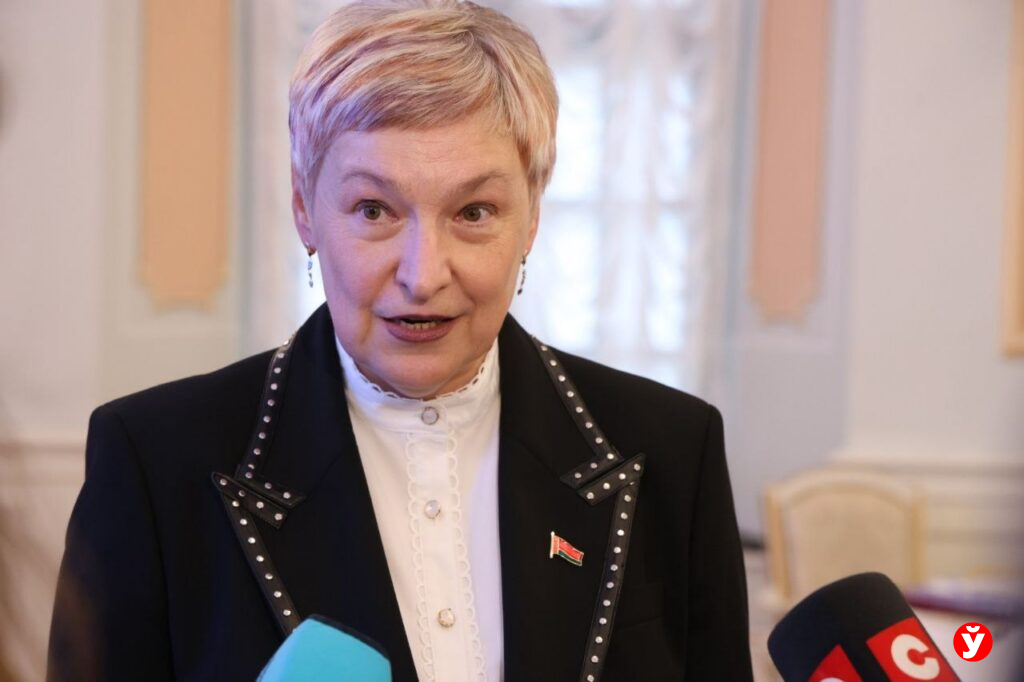
— Within this Plan, we are focused on incorporating both big data and alternative data into our work. Thus, we decided that the main areas for working with big data would be price statistics, tourism, and population statistics, as we are approaching the population census.
For calculating the consumer price index, databases from the tax service, databases on pharmaceutical sales, and the passenger transport ticketing system will be used.
— In addition, we will work in the direction that all countries are pursuing today — using data from mobile network operators for mobile positioning. This is intended to identify tourist locations that are most in demand among residents of our country and visitors. The Russian Federation is carrying out similar work, — noted Inna Medvedeva.
The head of Belstat separately highlighted the joint work on developing aggregated statistical indicators for the Union State:
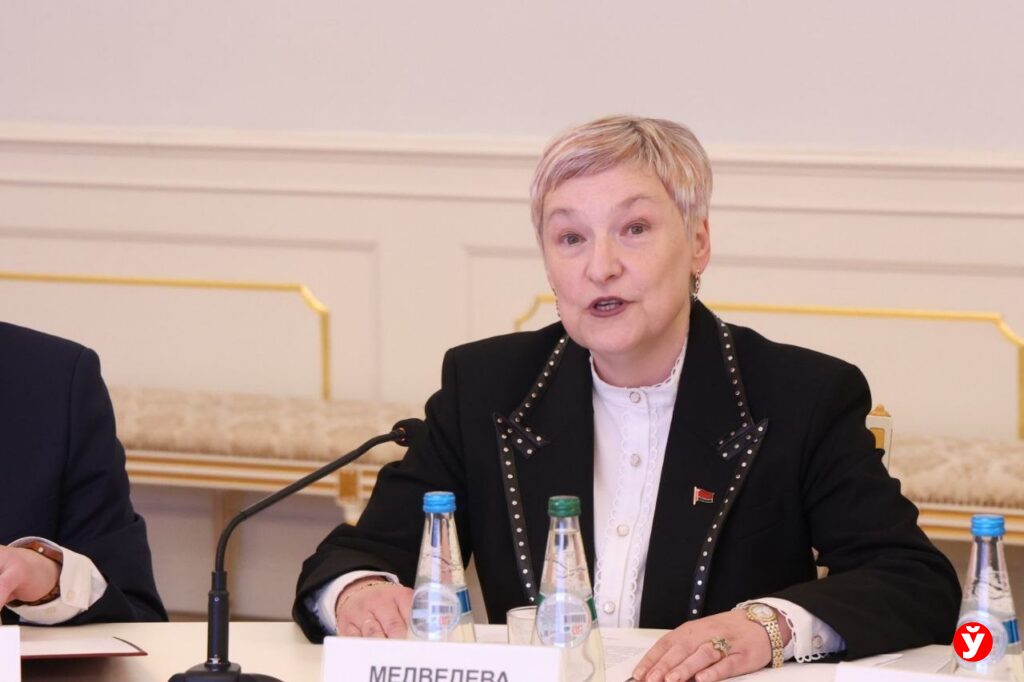
— The parties agreed on a methodology for annual comparisons of the gross domestic product of Belarus and Russia and have begun calculations. Thus, according to 2025 data, the GDP of the Union State amounted to 6.9 trillion Belarusian rubles at purchasing power parity (PPP), equivalent to 223.5 trillion Russian rubles at PPP, — Inna Medvedeva stressed.
Synchronising tasks and indicators
For his part, Rosstat head Sergey Galkin noted that the Statistical Council of Belarus and Russia is the main platform for sharing experience and advanced technologies, as well as for synchronising tasks and indicators.
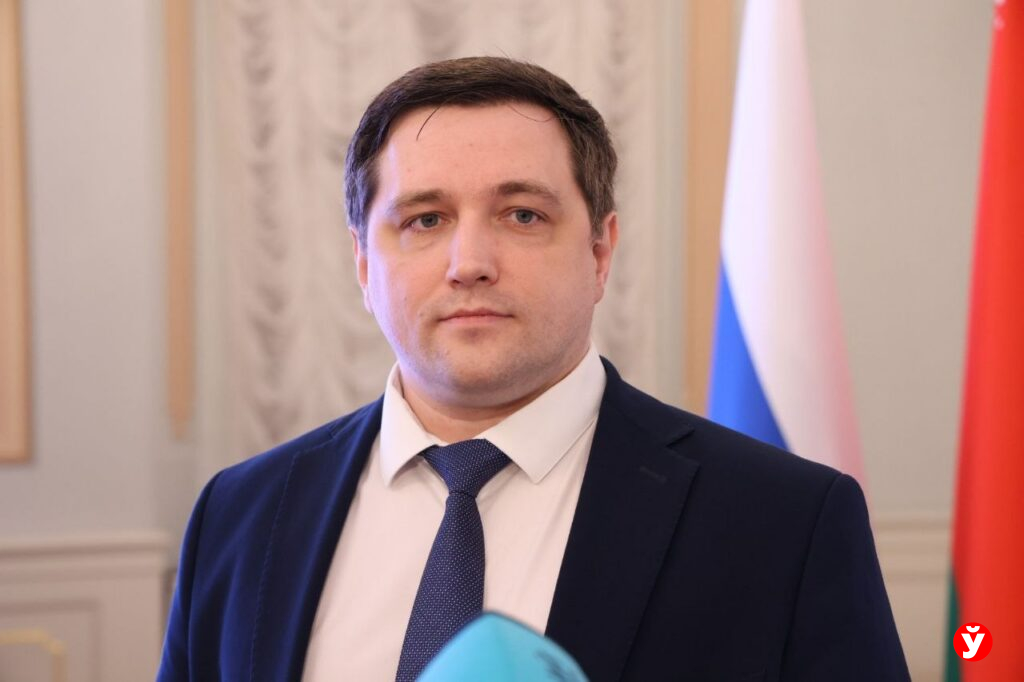
— We have extensive work underway within the framework of the Roadmaps, which we regularly update and implement, — said Sergey Galkin.
A new stage of cooperation
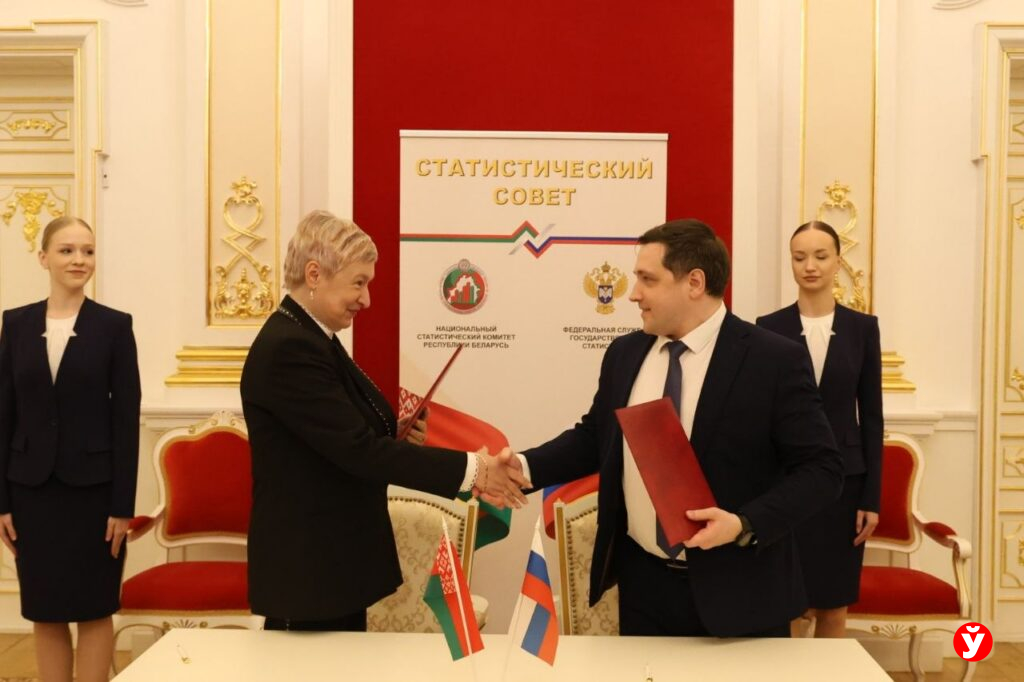
Following the meeting, a Joint Action Plan to ensure comparability in statistical methodology for 2027–2029 was signed.
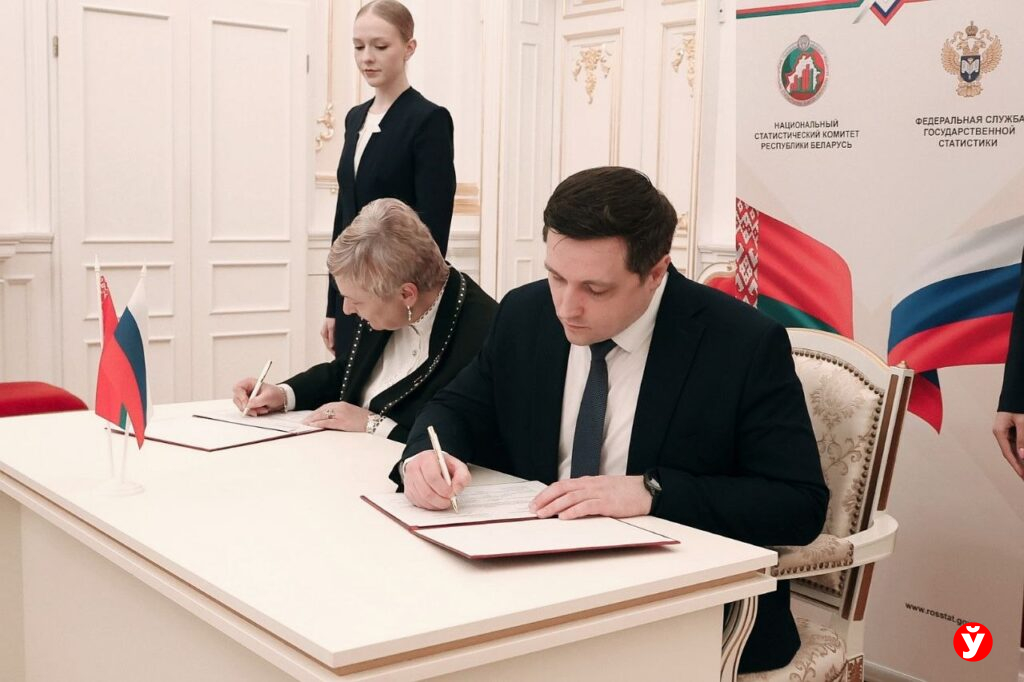
The document was signed by Chairperson of the National Statistical Committee Inna Medvedeva and Head of the Federal State Statistics Service Sergey Galkin.