
Myadel Regional
Executive Committee

18 March 2026
One of the most technologically advanced emergency medical services has been established in the Minsk region. We found out how lives are saved
At the national meeting reviewing the work of the emergency medical service, specialists from all regions of Belarus shared experience and summed up the year. Representatives of the Minsk Regional Emergency Medical Care Centre spoke about advanced solutions introduced into the work of ambulance crews. The region not only successfully meets all target indicators, but also creates a unique system in which every second works for the patient.
Seconds decide everything
The key advantage of emergency medical care in the Minsk Region is the full digitalisation of its processes. As Chief Physician Alexandra Varivodskaya explained, the main principle of the service today is speed at every stage.
— The most important thing in our service is time: response time, dispatch time, arrival time, and the time when assistance begins. A human life depends on every second, — the chief physician stressed.
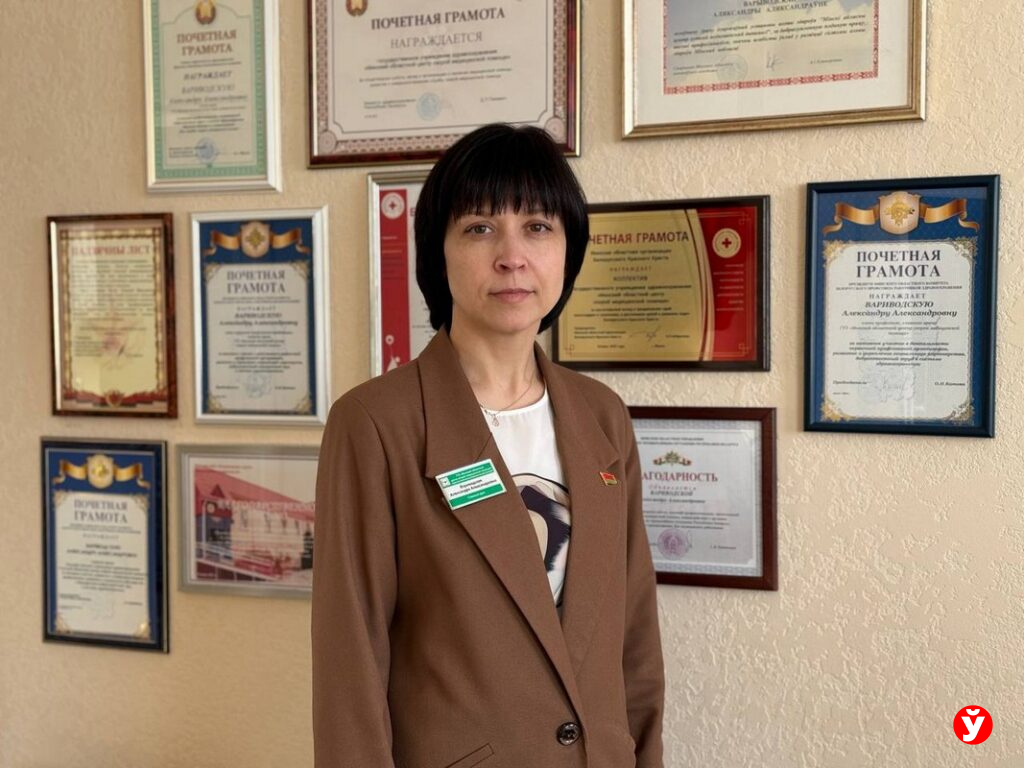
Today, information about a call reaches ambulance crews’ digital tablets in just seconds. The medical information system makes it possible not only to transmit data instantly, but also to maintain electronic patient records. All data are centrally sent to the healthcare information system in accordance with a presidential directive.
How calls are distributed across the region
Deputy Chief Physician Anna Borisenkova spoke about the work of the operations department and the call-routing system unique to the country. Three call-receiving points have been established in the Minsk Region, with call-transfer posts located at the Molodechno, Borisov, and Soligorsk stations. This makes it possible to distribute the workload evenly and process calls from vast territories.
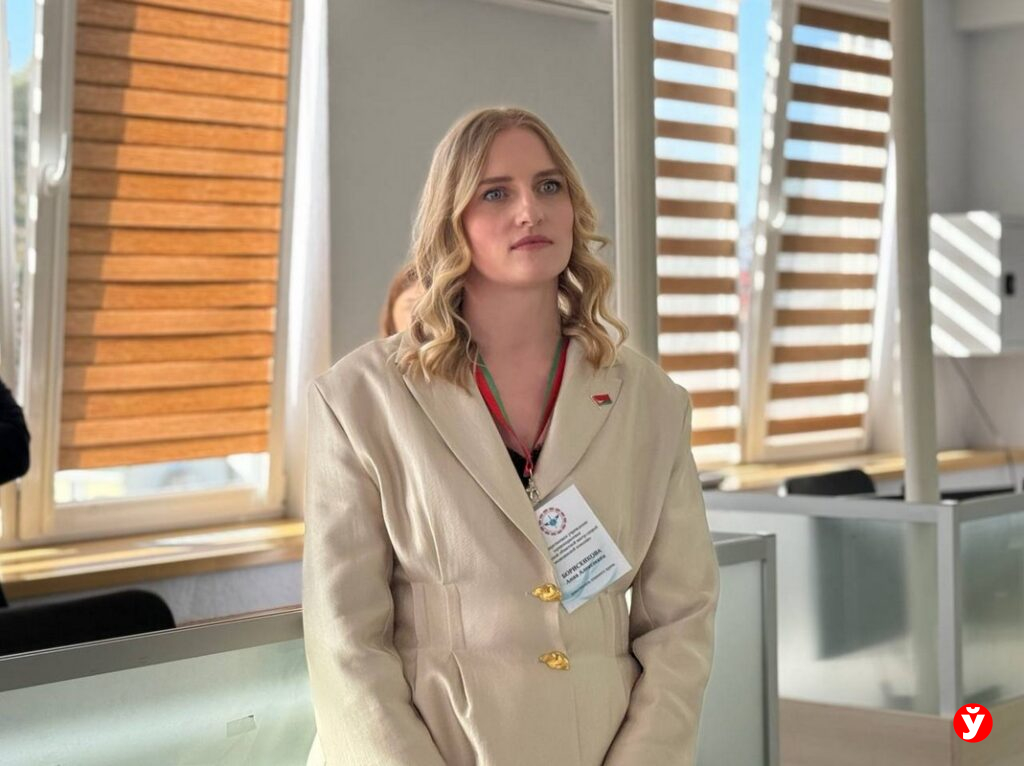
— We have four posts each in Borisov and Molodechno. They receive calls from residents of the Borisov, Krupki, Berezino districts and the city of Zhodino. Molodechno serves the Molodechno, Vileyka, Myadel and Volozhin districts. The Soligorsk post oversees the Kopyl, Kletsk, Nesvizh, Slutsk, Soligorsk and Staryye Dorogi districts, — Anna Borisenkova explained.
A separate major hub operates in the Minsk direction, receiving calls from the Minsk, Dzerzhinsk, Uzda, Stolbtsy, Pukhovichi, Cherven and Berezino districts. Dispatchers register the address, surname, and reason for the call, then immediately send it to the crew located closest to the address.
The logistics of saving lives
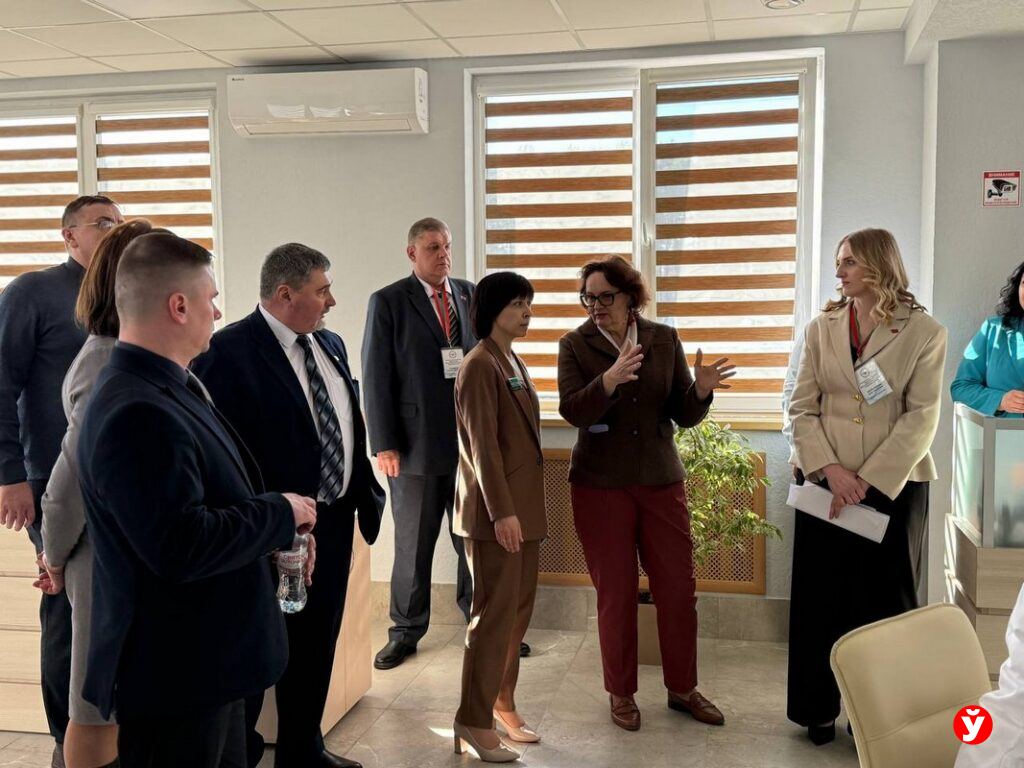
Alexandra Varivodskaya paid particular attention in her speech to organising care in mass-casualty incidents. The Minsk Region has built a clear coordination structure that makes it possible to deliver a patient to a specialised hospital as quickly as possible. Alongside the operations department are the hospitalisation department and the Emergency Medical Care Centre.
When a call is received regarding a road accident or emergency, the patient’s transport route is planned taking into account the nature of the injuries and the capabilities of the leading interdistrict centres. If transporting a severely ill patient to the regional centre is impossible, assistance will come to the patient.
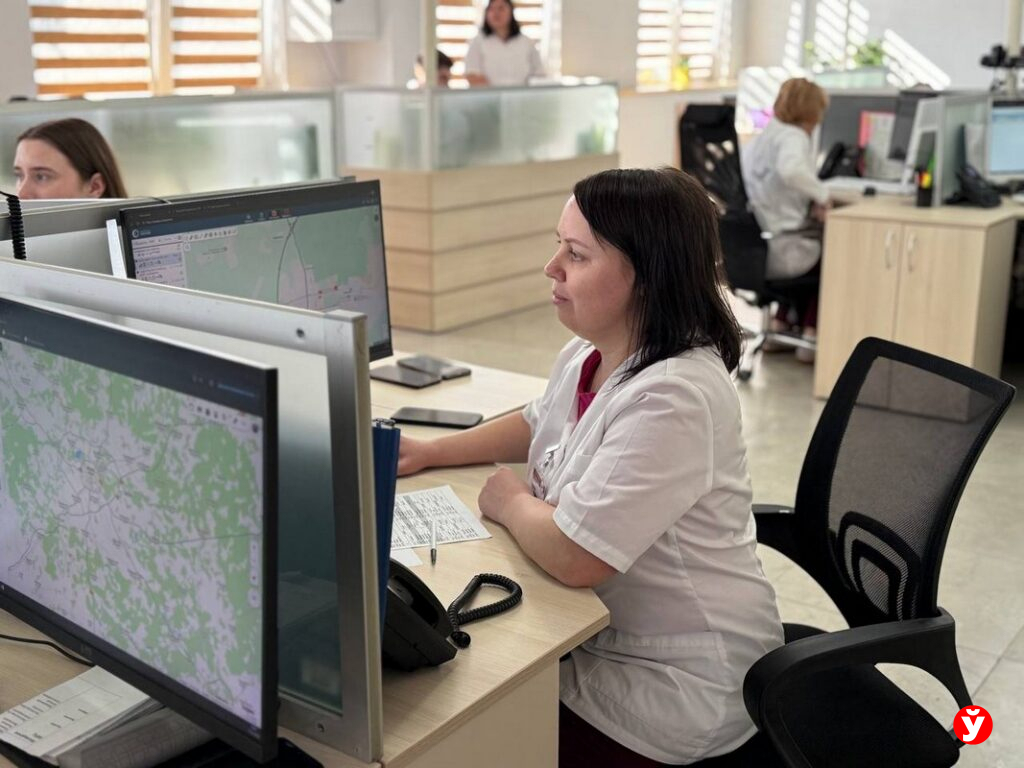
— We provide a vehicle, and a consultant from the regional hospital goes to the central district hospital. If it is impossible to transport the patient to an interdistrict centre, the patient is taken to the nearest medical institution, while specialists are dispatched there at the same time. This minimises the time needed to provide high-tech medical care, — noted the head of the Centre.
Technology and safety: video wall, trunked radio, and dog repellents
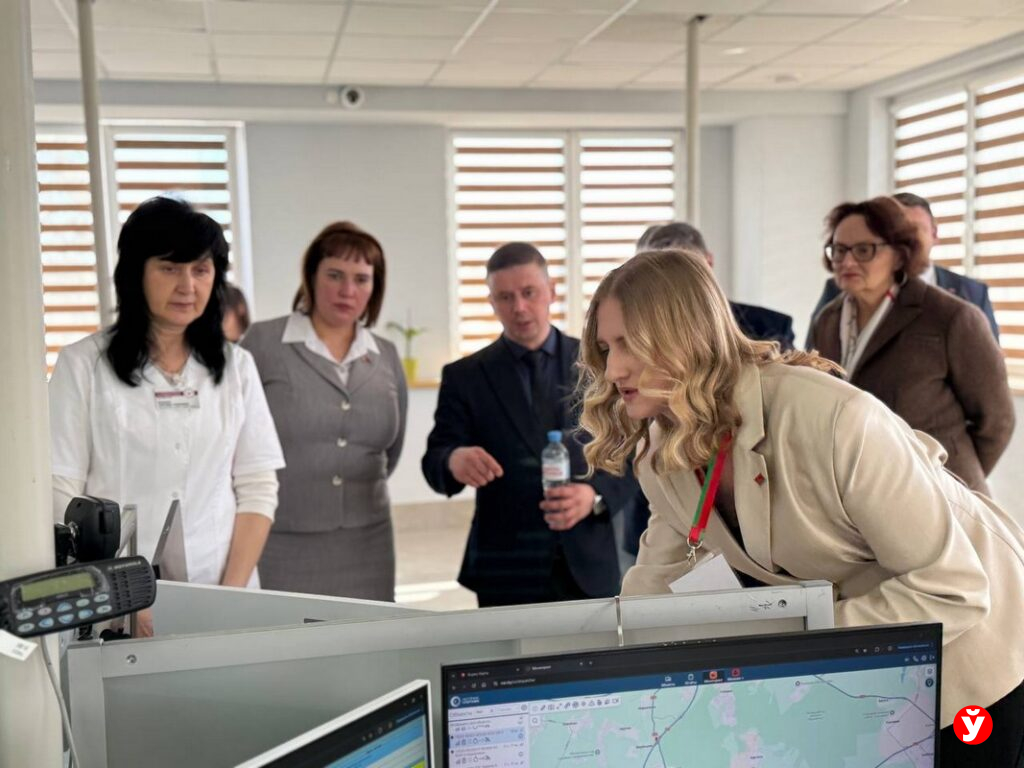
The operations department of the Minsk Region is equipped with the latest technology. As Anna Borisenkova noted, a video wall in the operations department displays the medical information system and an interactive map showing the location, status, and type of every ambulance crew. This makes it possible to monitor operations and identify the nearest available crew to the call address. Video monitoring of structural units and video communication with regional posts are also in place.
The Minsk Region became the first region to implement a unified trunked radio communication network covering the entire territory. This makes it possible to optimise the transmission of information.
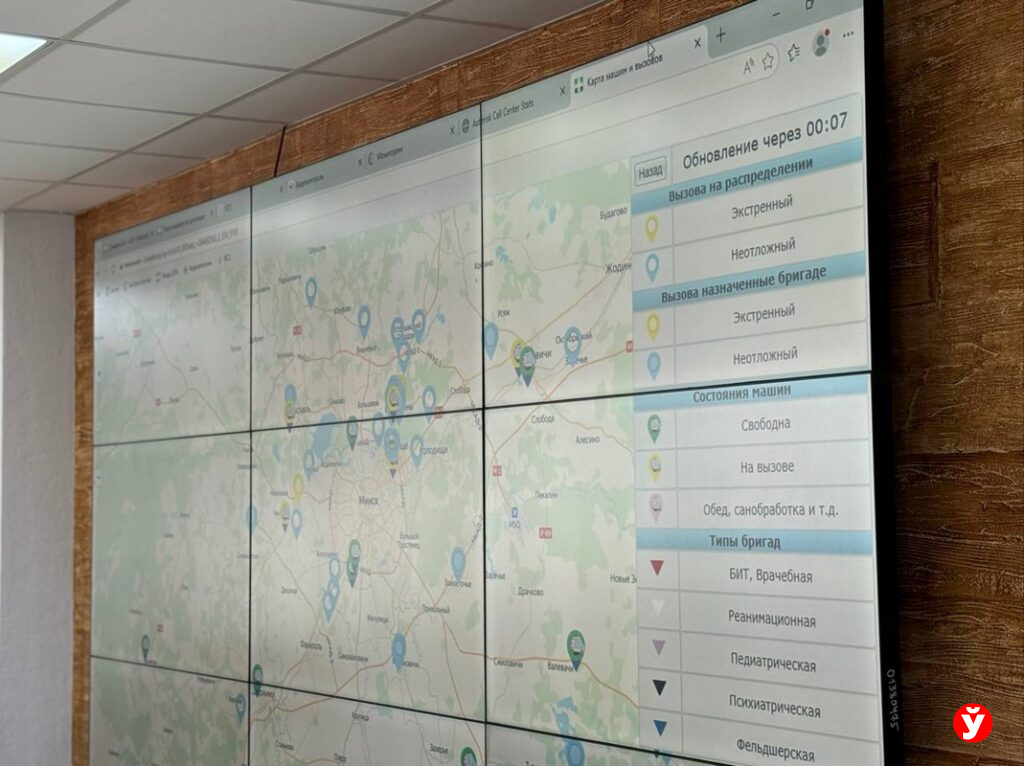
— We have installed trunked radio communication between Soligorsk, Molodechno, and Borisov. This allows us to reroute calls: if calls can no longer be received in Soligorsk, they are automatically redirected to Borisov or Molodechno. This is double or even triple control, — the deputy chief physician explained.
In addition, the region went further than others by purchasing portable radios for every crew member, allowing medical workers to remain in contact at all times. Every crew is equipped with personal body cameras. The issue of staff physical safety has also been addressed: following cases of dog attacks, each crew received special dog repellents.
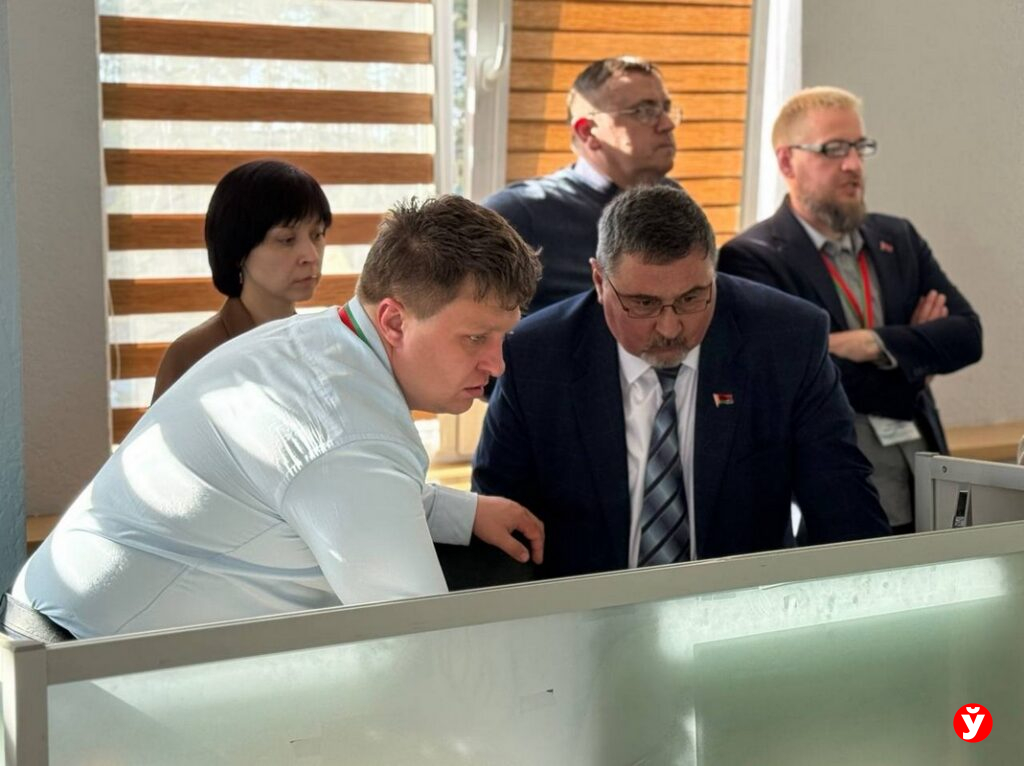
Medical kits have also been unified and standardised, allowing any employee to adapt quickly when transferred to another unit.
Quality under triple control: how call records are checked
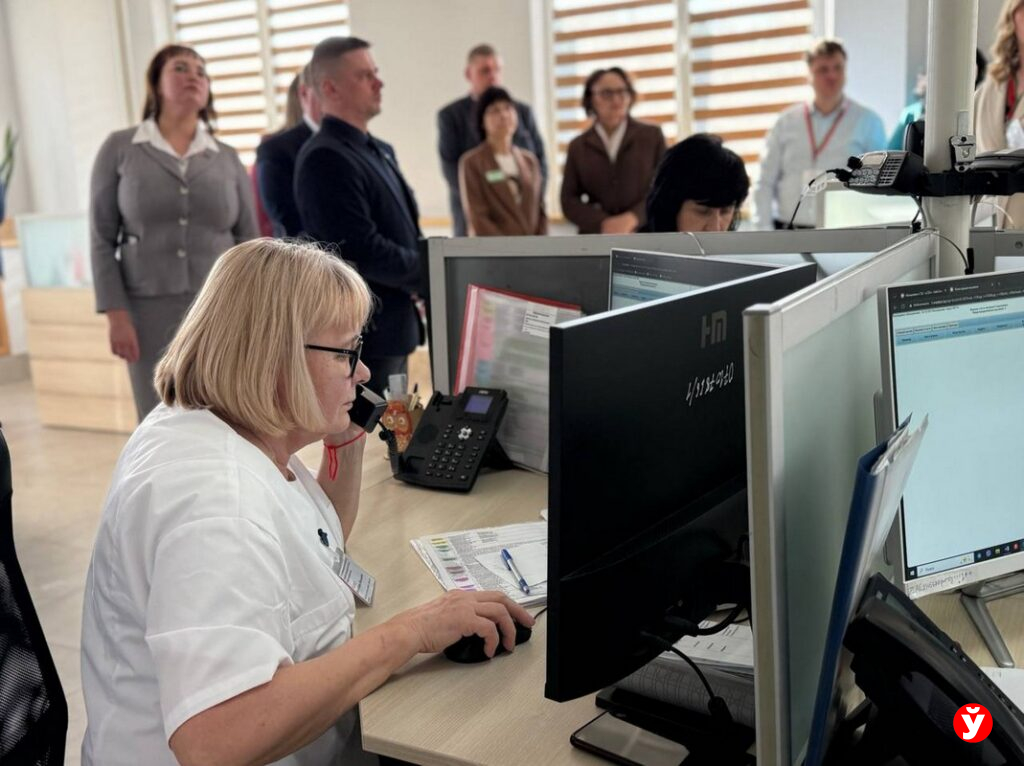
Anna Borisenkova also focused on the quality-control system for completing medical documentation. A multi-level system for checking electronic records has been established in the Minsk Region.
— We have the ability to review a patient’s call history. The crew makes the decision on the diagnosis, but the record is then checked. Within two days, heads of structural units review every record. If it is necessary to correct, for example, an average blood pressure value, the manager makes the amendments. The employee is no longer needed for this, — Anna Borisenkova said.
At the same time, the crew-monitoring system itself operates automatically: data on arrival, departure, and transportation times are updated every minute through tablets. The only issue yet to be addressed as part of the modernisation is internet quality, which does not yet allow the system to work flawlessly everywhere.
Paediatric resuscitation crews and lower mortality
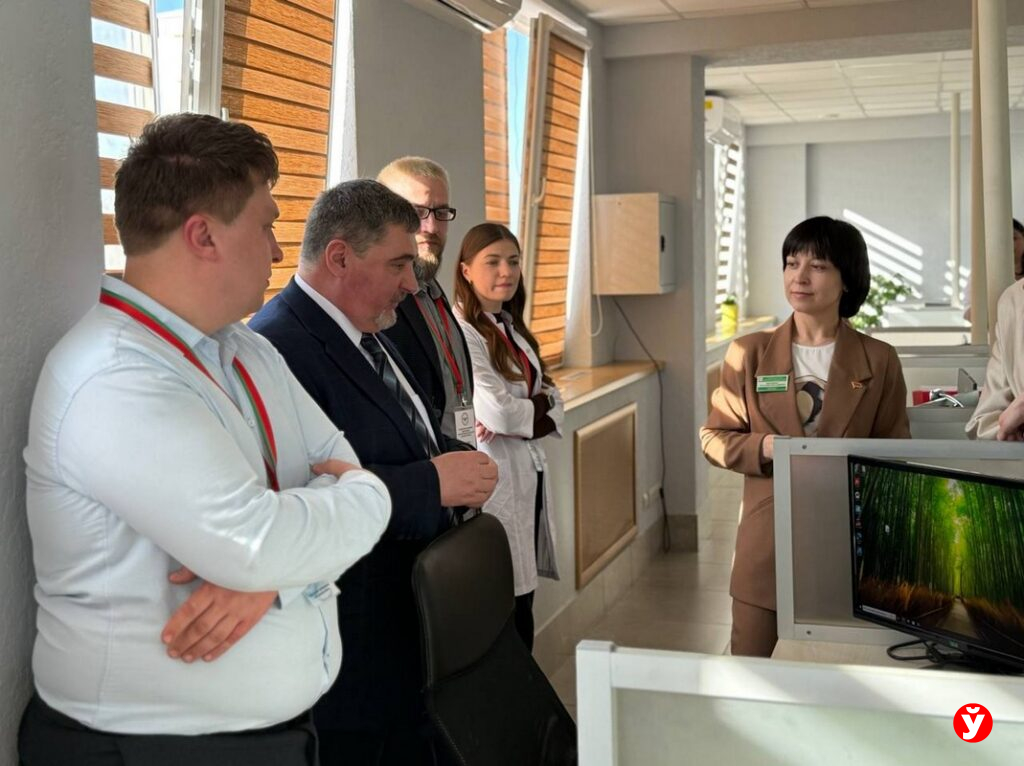
Last August saw the arrival of new specialists in the service — doctors who completed sub-internship and internship training in emergency medicine, including paediatricians. This made it possible to establish specialised paediatric resuscitation crews at interdistrict centres, something the region had not previously had.
The results were immediate: the percentage of successful resuscitations increased, while pre-hospital mortality decreased. All target indicators for care provided to patients with acute coronary syndrome (ACS) and acute cerebrovascular accidents (stroke) were met. In addition, patients with multiple injuries sustained in road accidents are now transported directly to interdistrict centres.
— This speaks to the quality of training and dedication of our employees. In addition, specialists from the Minsk Region annually win prizes at national professional competitions, — the chief physician noted with pride.
An information system for all and new repeaters
Speaking about future plans, Alexandra Varivodskaya emphasised the further development of the information system. The main goal is to make it accessible to the entire healthcare sector. This will enable urgent calls to be automatically transferred to outpatient clinics, while hospital emergency departments will be able to see a preliminary diagnosis before the ambulance with its siren arrives.
— We would like access to be available not only to ambulance services, but also to central district hospitals and outpatient clinics, so that we can transfer urgent calls automatically rather than by telephone. And the emergency department will see that the crew is on its way to them — this will shorten the time needed to call in specialist doctors, — the chief physician shared.
There are also plans to expand trunked radio coverage by installing additional repeaters, which will fully meet the region’s needs. Priorities also include improving staff training systems using modern equipment and mannequins.